Fascia of the Land
Fascia of the Land is an experimental immersive audiovisual installation developed specifically for CULTVR Lab’s 360° dome and 16.1 surround sound system. The project investigates neurodivergent sensory perception through embodied, sound-led, and ecological methodologies rather than linear narrative or representational imagery. It treats stimming as a creative and research methodology — a process of rhythmic attunement between body, land, and sensation — and uses immersive technology to translate this process into a shared, inhabitable environment.
The project draws a direct analogy between fascia in autistic bodies and peat bog ecologies: both are porous, layered systems that store memory, regulate flow, and require “rewetting” to remain healthy. In autistic experience, sustained restriction of movement, sound, and sensory expression causes fascia to tighten and harden, resulting in pain, fatigue, and dysregulation. Stimming — movement, rhythm, sound, repetition — functions as a form of somatic rewetting, restoring sensory circulation and coherence. This project makes that process spatial, audible, and collective.
Why 360° / Why Wales
This project is inherently spatial and ecological. A 360° environment allows perception to extend beyond the frontal gaze, mirroring autistic perception, which does not organise itself hierarchically or directionally. Wales — and specifically the Valleys outside Cardiff — provides both ecological and cultural grounding: peatlands, forests, post-industrial landscapes, and histories of labour and extraction that resonate with the project’s themes of compression, resilience, and repair.
We propose a three-day residency in a rented house in the Valleys, used as a low-stimulation sensory laboratory. This environment enables deep focus, embodied experimentation, and collective making. From this base we will:
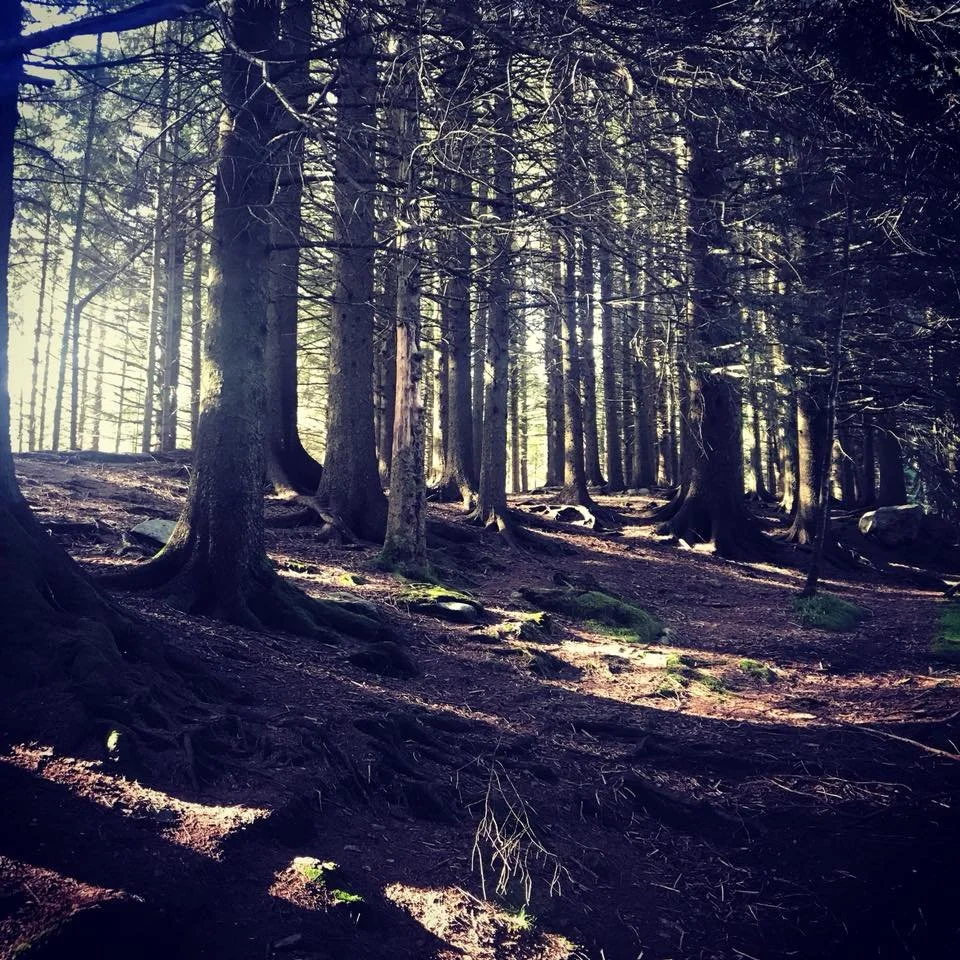
Capture 360° video and spatial audio in forests, fields, and gardens
Record environmental and performative sound (movement, breath, footsteps, voice)
Develop choreographed sensory actions in situ
Translate embodied gestures into audiovisual material
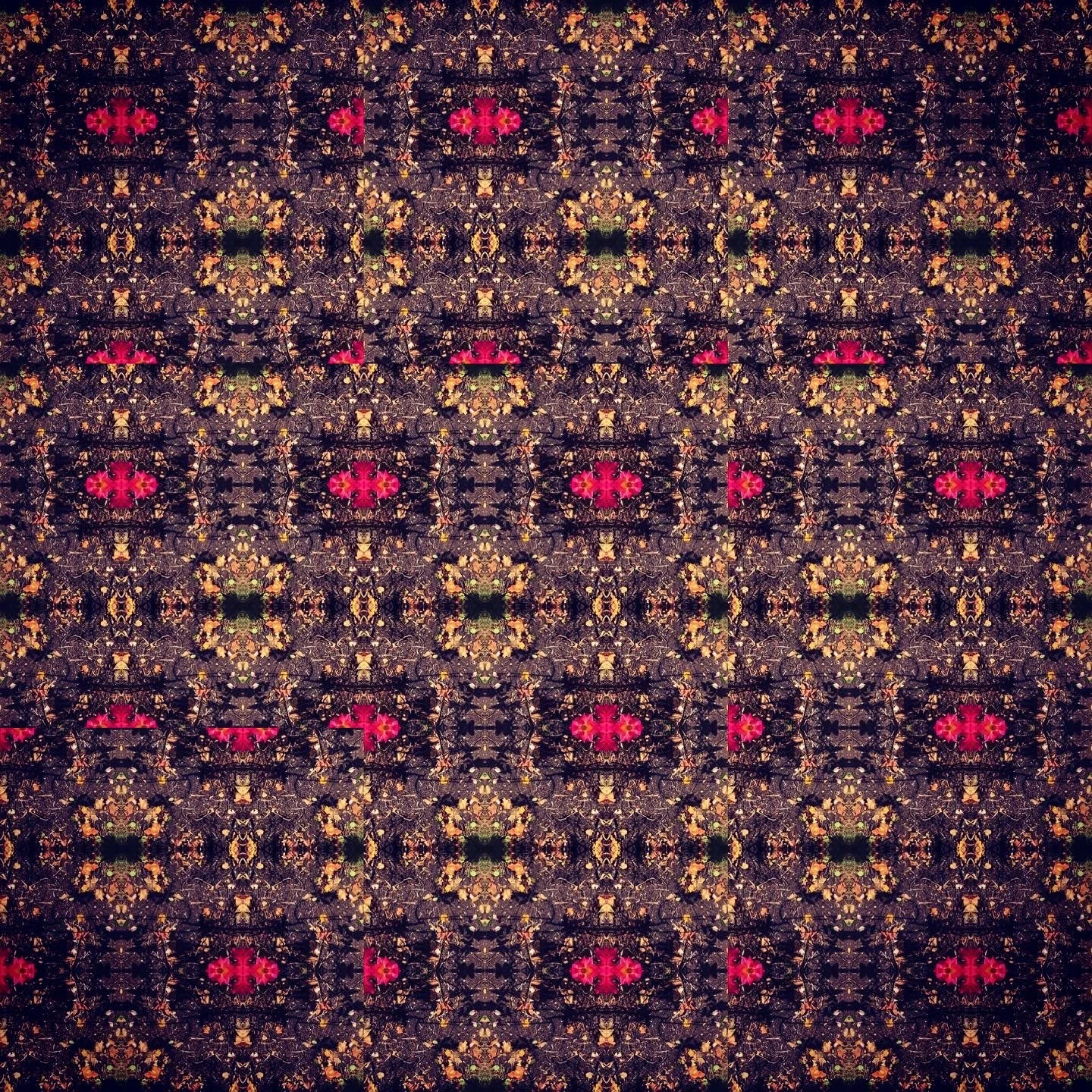
The landscapes will not be depicted literally. Instead, footage will be abstracted, layered, fragmented, and reassembled to produce a responsive, breathing environment — an affective experience of the land’s fascia rather than a documentary image of place.Make it stand out.
Methodology: Stimming as Creative Process
Our core methodology is stimming as creative process.
Elinor’s rhythmic movements, vocalisations, and sensory repetitions are treated as compositional scores rather than behaviours to be corrected or represented. These rhythms will be translated into:
Ambisonic spatial audio, mapped across the 16.1 system as moving sonic textures that travel across the audience’s skin
Patchwork 360° visuals, combining photogrammetry, abstraction, and choreographed appearance/disappearance of figures across the field of view
Non-linear temporal structures, where journeys are chopped, looped, and re-entered rather than resolved
Rather than conventional surround sound, Ambisonics allows sound to move fluidly and volumetrically, mimicking the tactile, connective properties of fascia. Sound does not illustrate image; it activates space.
The structural framework is the Tarot Walk, an embodied phenomenological method developed through Elinor’s doctoral research. Tarot archetypes are used not symbolically, but as sensory orientations guiding the work’s 40–90 minute progression. Each archetype corresponds to a technical and sensory state within the dome:
Openness: expanded spatial audio, high-frequency air, diffuse visuals
Overload: rapid 360° visual movement, dense sonic clustering
Withdrawal: contraction, low light, minimal motion
Repair: low-frequency grounding sound, slowed rhythm, visual settling
This allows complex cycles of neurodivergent perception — rupture, withdrawal, restoration — to be mapped onto three-dimensional space.
Use of Technology and Development at CULTVR
Use of Technology and Development at CULTVR
This residency marks a critical development in Elinor’s practice, moving from multi-screen and 2D installations into fully spherical world-building. CULTVR’s dome and mentorship provide the technical conditions necessary to translate subjective, sensory experience into collective immersion.
Jim will support spatial audio design, projection mapping, and technical planning
Valeria will provide conceptual and technical guidance in relation to dome-based immersion
Nam - producing and curation
Stephanie and Elinor contributes ecological theory and fascia research; brings haptic and access-focused perspectives and autistic lived experience
We will also explore alternative configurations, including video cylinders rather than a full dome, to test different forms of enclosure, proximity, and sensory containment.
Audience and Accessibility
A central aim of this project is to test neuro-accessible immersion. Rather than overwhelming spectacle, the work seeks rhythmic sanctuary. We will experiment with how light intensity, frequency, and sonic density can be calibrated to be sublime without being extractive, allowing audiences — particularly neurodivergent audiences — to remain present rather than overstimulated.
Immersion here functions as a contemporary ritual space: a site of liminality, attunement, and collective sensing. The audience is not a passive viewer but a body within a shared sensory field.
What We Hope to Achieve
By the end of the residency we aim to:
Produce a fully realised prototype for a 360° immersive installation
Develop a refined methodology for translating stimming into spatialised sound and image
Test accessibility-led immersive design in a high-fidelity environment
Establish Fascia of the Land as a scalable work for future domes, galleries, and festivals
Ultimately, this project demonstrates how immersive technology can be used not to dominate the senses, but to restore sensory circulation — offering a model for neurodivergent-led, ecological, and embodied world-building.