Access, Disability, Neurodiversity & Inclusive Artistic Practice
Artist · Art Psychotherapist · Access Consultant · Neurodiversity Trainer · Mentor
I am a multidisciplinary transart artist, art psychotherapist, researcher and access consultant working across art, disability, neurodivergence and inclusive creative practice.
My access work has grown alongside my artistic practice, research and professional experience supporting disabled and neurodivergent people. I am interested in access not simply as a set of adjustments, but as a way of changing how we think about creativity, communication, participation and the ways people are able to exist within artistic and cultural spaces.
I work with artists, arts organisations, creative teams, researchers and individuals to develop more accessible and neurodivergent-inclusive ways of working.
Neurodiversity & Disability Training
I offer training for arts organisations and creative teams around neurodivergence, autism, ADHD, disability and access.
My disability training videos have been used by arts organisations including Oily Cart, Sound and Music, and Daryl & Co., supporting organisations working to remove access barriers across theatre, music and the wider arts.
My training draws on lived experience, professional practice and research. I explore topics including:
Autism and neurodivergence plus
ADHD
Disability and access
Sensory experience
Communication differences
Neurodivergent artists and creative practice
Working inclusively with disabled and neurodivergent people
Accessible ways of working within arts organisations
Disability arts and crip approaches
Rethinking productivity, time and participation
I aim to create training that moves beyond a deficit-based understanding of disability and neurodivergence, towards recognising different ways of sensing, communicating, thinking, creating and being.
Access Consultancy
I provide access consultancy for artists, creative projects, arts organisations and research teams.
This can include thinking through access requirements, developing accessible ways of working, supporting neurodivergent artists, considering sensory and communication access, and embedding access throughout the creative process.
I am particularly interested in creative access — exploring how access can become part of the artistic process rather than something added at the end.
Access can sometimes open up new creative possibilities: different ways of communicating, experiencing, making, participating and relating to an artwork.
I have worked with:
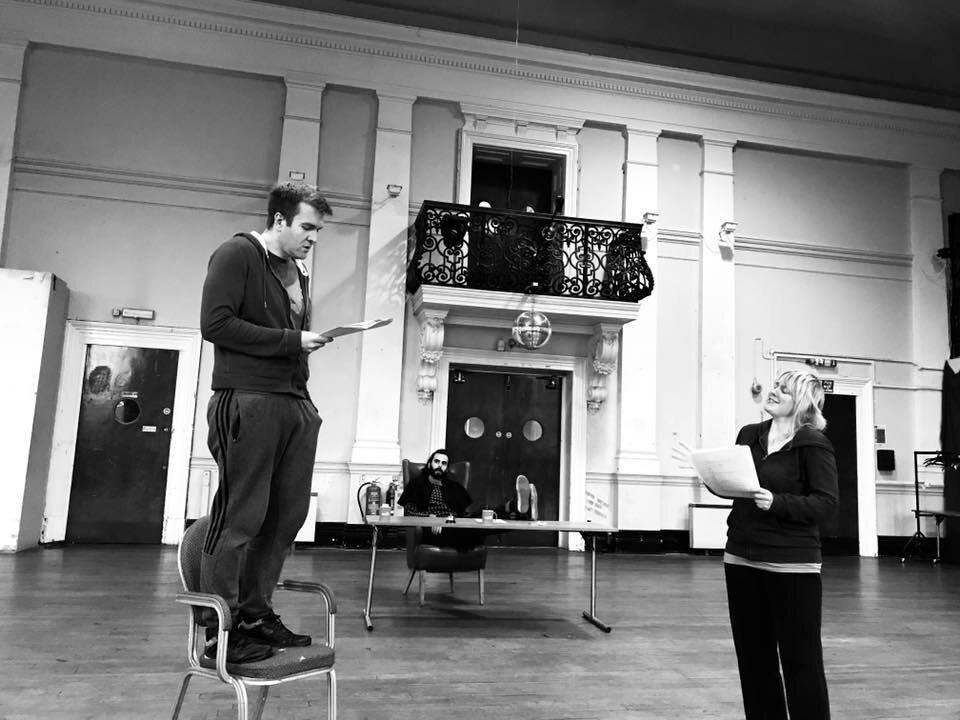
Daryl and Co Theatre Company
Oily Cart Theatre
Chichester Festival Theatre
Mentoring Neurodivergent Artists
Alongside my artistic and therapeutic work, I mentor neurodivergent artists.
I support artists to develop their creative practice, navigate professional and institutional spaces, and find ways of working that are sustainable and meaningful for them.
My approach is informed by disability arts, neurodivergent perspectives and my own practice-based research. I am particularly interested in supporting artists to recognise their own ways of working and knowing, rather than feeling that they need to conform to conventional expectations of productivity, communication or professional practice.
Magical Women
I am the founder of Magical Women, an autistic/ADHD-led project for women and non-binary artists.
Magical Women creates space for neurodivergent artists to connect, share creative practice and explore experiences that are often overlooked within mainstream arts and professional spaces.
The project has included exhibitions, publications, creative workshops and collaborative arts practice.
Art Psychotherapy & Neurodivergence
I am also a qualified and registered art psychotherapist, working primarily with neurodivergent clients.
I work with autistic and ADHD clients, as well as people who are beginning to explore their own neurodivergence following the diagnosis of a child or family member.
My therapeutic practice recognises that experiences of neurodivergence are not always easily expressed through language. Art can offer another way of exploring sensation, identity, memory, relationships and experiences that may be difficult to articulate.
I am also developing autistic-led art therapy groups in response to the lack of accessible and affordable therapeutic provision available to many neurodivergent people, particularly those who are on low incomes.
Research & Practice
My access work is closely connected to my artistic research.
My PhD in Fine Art explored stimming as an artistic methodology, asking how embodied, sensory and neurodivergent ways of working might generate different forms of artistic knowledge.
Across my practice I explore embodiment, disability, neurodivergence, crip time, gender, transness, sensory experience, communication and different ways of knowing.
This research informs the way I approach access: not simply as a question of making existing structures accessible, but also as an opportunity to question the structures themselves.
My Approach
I believe access should begin with listening.
There is no single model of what an accessible creative space looks like, because people have different bodies, minds, communication styles, sensory experiences and ways of participating.
My approach is therefore collaborative, flexible and grounded in the particular people, projects and environments involved.
Access is not something added at the end. It can shape the way we make, communicate, collaborate and imagine from the beginning.
Work with me
I offer:
Access consultancy
Neurodiversity & disability training
Workshops and talks
Mentoring for neurodivergent artists
Creative access support
Inclusive practice and research consultancy
Art psychotherapy
If you'd like to discuss a project, training session, consultancy or collaboration, please get in touch.
“Their attention to detail and commitment to deep listening and empowerment truly stood out. We’ve already recommended them to others.”
– Chichester Festival Theatre